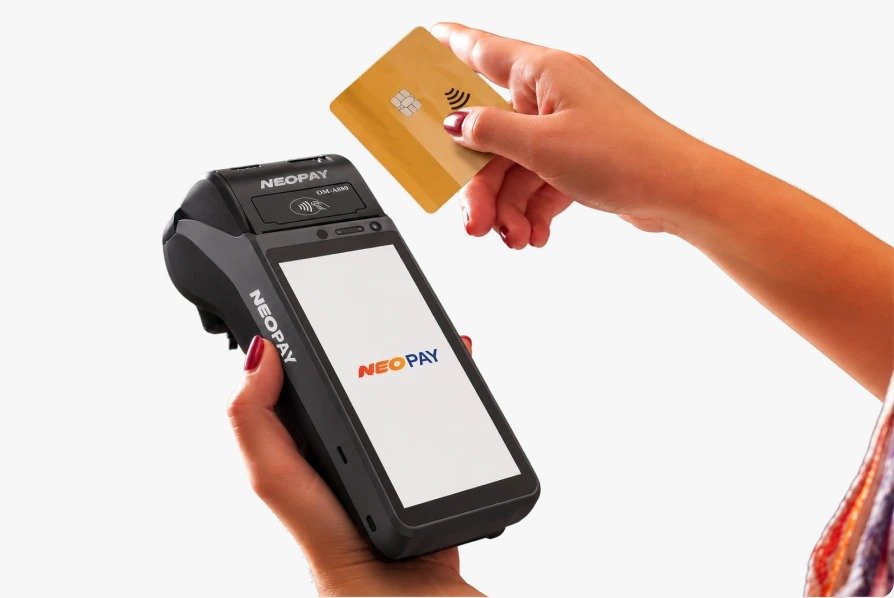
Payment methods have changed significantly over the years. Businesses that once relied mainly on cash can now accept card payments, contactless transactions, and digital wallets. A payment machine plays an important role in making these transactions quick and convenient for both customers and merchants.
Understanding how these machines work can help business owners choose suitable payment methods and improve the checkout experience.
What Is a Payment Machine?
A payment machine is an electronic device that allows businesses to accept payments from customers using debit cards, credit cards, and other supported digital payment methods. It securely communicates transaction details with payment processors and financial institutions to verify and complete payments.
Depending on the device and its capabilities, customers may pay by inserting a chip card, tapping a contactless card, or using a compatible smartphone or smartwatch.
How Does a Payment Machine Process Transactions?
Although the process usually takes only a few seconds, several steps happen behind the scenes:
- Payment initiation: The customer inserts, taps, or swipes their payment card or uses a digital wallet.
- Information transmission: The machine securely sends the required transaction information to the payment processor.
- Bank verification: The relevant financial institution checks the payment details and available funds or credit.
- Transaction approval: The payment request is approved or declined.
- Confirmation: The machine displays the transaction result and may generate a receipt.
This process allows businesses to accept electronic payments without manually handling cash or checking every transaction.
Different Types of Payment Methods
Modern payment solutions support several ways to complete transactions.
Chip and PIN payments: Customers insert their cards and enter a PIN to authenticate the transaction.
Contactless payments: Customers tap a compatible card or device against the payment terminal. This method is particularly useful for quick, everyday purchases.
Mobile wallet payments: Digital wallets allow customers to make payments using smartphones and smartwatches without carrying physical cards.
Magnetic stripe payments: Some terminals still support traditional card swiping, although chip and contactless payments are more widely adopted in many markets.
Why POS Payments Matter for Businesses
A POS payment system does more than process transactions. It can help businesses maintain accurate payment records, reduce manual payment handling, and simplify daily operations.
Depending on the system, merchants may also access transaction reports, manage refunds, and connect payment processing with other business tools.
For customers, having multiple payment options makes checkout more convenient and provides flexibility in how they pay.
What Should Businesses Consider Before Choosing a Payment Machine?
Before selecting a device, businesses should consider their transaction volume, accepted payment methods, connectivity requirements, transaction fees, and security features.
It is also important to understand whether the machine supports the payment methods commonly used by their customers. Businesses should check the provider’s security standards and whether the device integrates with their existing systems.
Conclusion
Payment machines have become an essential part of modern business transactions. From traditional card payments to contactless and mobile wallet options, they make electronic payments easier to manage.
Businesses exploring modern payment infrastructure can learn more about available payment technologies and solutions, while considering the features that best match their operational requirements.