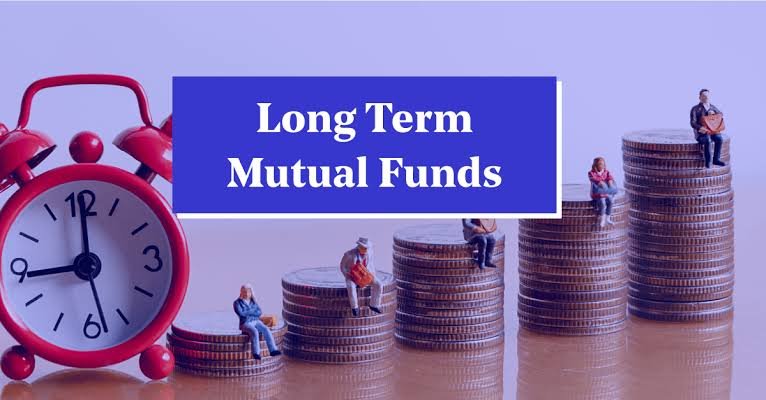
I once watched someone pick a mutual fund purely because it showed “45% returns last year” in a screenshot shared on social media. Six months later, that same fund was down 20%. Chasing last year’s winners is probably the single most common mistake people make trying to find the best mutual funds for long-term growth.
Why Past Returns Alone Are a Poor Guide
Every fund fact sheet legally has to state that past performance doesn’t guarantee future results — and it genuinely doesn’t. A fund that had an exceptional year often reverts closer to average the following year, sometimes underperforming significantly.
The best mutual funds for long-term growth are typically identified by consistency across multiple market cycles, reasonable expense ratios, fund manager tenure, and alignment with your personal risk tolerance — not by a single standout year of returns.
Key Factors to Actually Evaluate
1. Consistency Over Multiple Time Periods
Look at 3-year, 5-year, and 10-year returns, not just the last 12 months. A fund that consistently ranks in the top 25% across multiple periods is far more trustworthy than one with a single exceptional year.
2. Expense Ratio
This is the annual fee the fund charges, and it compounds against you every single year. A 1.5% expense ratio versus a 0.8% one might sound small, but over 20 years, that difference can eat a meaningful chunk of your total returns.
3. Fund Manager Tenure and Track Record
If a fund’s strong historical performance happened under a manager who’s since left, that history matters a lot less for predicting future performance.
4. Portfolio Concentration
Check how many stocks the fund holds and how concentrated the top holdings are. Extremely concentrated funds carry higher risk, even if returns look attractive on paper.
Types of Mutual Funds Worth Considering for Long-Term Growth
- Large-cap funds — more stable, lower volatility, suited for conservative long-term growth
- Flexi-cap funds — invest across large, mid, and small companies, offering a balance
- Mid-cap and small-cap funds — higher growth potential, but significantly more volatile
- Index funds — lower cost, matches market performance without active management risk
A Practical Portfolio Example
Picture someone building a 15-year investment horizon for retirement. A reasonable long-term allocation might combine a large-cap or index fund as the stable core (60-70%), a flexi-cap fund for balanced growth (20-25%), and a small allocation to mid-cap funds (10-15%) for higher growth potential — accepting the extra volatility that comes with it.
[link to related guide about SIP vs lump sum investing here]
How Often Should You Review Your Chosen Fund?
Once a year is generally sufficient for long-term investors. Checking daily or weekly just amplifies emotional decision-making based on short-term noise. Set a calendar reminder, review annually, and otherwise let compounding do its work quietly.
Red Flags to Watch For
- Consistently high expense ratio compared to similar funds
- Frequent fund manager changes
- Portfolio strategy that keeps shifting significantly year to year
- Ratings and returns that dropped sharply in the most recent 1-2 years without clear explanation
Mistakes Investors Commonly Make
Beyond chasing past returns, I’ve noticed people also over-diversify — holding 10-15 mutual funds that essentially overlap in their holdings, creating unnecessary complexity without meaningfully reducing risk. Three to five well-chosen funds across categories is usually plenty for most individual investors.
Suggested alt text: “Chart comparing mutual fund performance consistency across 3, 5, and 10 year periods”
FAQ
How many mutual funds should I hold for long-term growth? Generally 3-5 well-diversified funds across categories is sufficient; holding too many often creates unnecessary overlap.
Is a higher expense ratio ever worth it? Occasionally, if the fund consistently outperforms its benchmark by a margin that exceeds the extra fee — though this is relatively rare over long periods.
Should I switch funds if one underperforms for a year? Not immediately — evaluate performance over at least 3 years before considering a switch, since short-term underperformance is common even in solid funds.
Are index funds better than actively managed funds for long-term growth? They often are, due to lower costs, though skilled active fund managers can outperform in certain market conditions.
How do I check a mutual fund’s historical consistency? Fund fact sheets and platforms like Value Research or Morningstar show rolling returns across multiple time periods, which is more useful than a single-year snapshot.
Conclusion
Finding the best mutual funds for long-term growth isn’t about chasing whatever topped the charts last year — it’s about consistency, reasonable costs, and picking funds that match your actual risk tolerance and time horizon. Do the research once, set up your SIPs, and then genuinely let time do the heavy lifting.