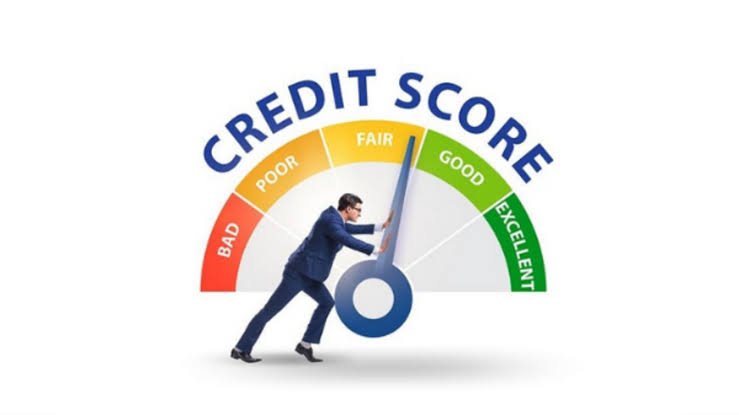
A friend needed his credit score up before a home loan application in six weeks. Six weeks isn’t a lot of time in credit-score terms, but he still managed a meaningful jump by focusing on the right levers. If you’re trying to figure out how to improve credit score fast, here’s what actually works — and what’s mostly wasted effort.
What Actually Moves a Credit Score Quickly
Not every credit-improvement tip works on a short timeline. Some factors, like the average age of your credit accounts, barely budge in weeks. Others can shift meaningfully within a single billing cycle.
The fastest way to improve your credit score is reducing credit card utilization below 30% (ideally under 10%), paying down existing balances before the statement date rather than just the due date, and correcting any errors on your credit report.
The Single Biggest Lever: Credit Utilization
This is the ratio of your credit card balance to your total credit limit, and it typically makes up around 30% of your credit score calculation — making it one of the fastest levers to pull.
- Pay down your credit card balance before the statement generation date, not just before the due date
- Request a credit limit increase on existing cards (without adding new debt) to lower your utilization ratio automatically
- Spread balances across multiple cards rather than maxing out one
Here’s something a lot of people don’t realize: your utilization is calculated based on the balance reported on your statement date, not your due date. Paying off your card two days after the statement generates still shows as high utilization for that reporting cycle.
Check Your Credit Report for Errors
This step genuinely surprises people. Credit report errors are more common than you’d expect — a loan that was actually closed still showing as active, an incorrect late payment marked against your name, or accounts that aren’t even yours.
- Pull your free credit report from CIBIL, Experian, or Equifax
- Dispute any inaccuracies directly through the bureau’s official process
- Corrections, once verified, can reflect within 30-45 days
Other Moves That Help Within Weeks
- Ask to be added as an authorized user on a family member’s long-standing, well-managed credit card
- Avoid applying for any new credit during this period — each hard inquiry causes a small, temporary dip
- Set up autopay for at least the minimum due on all existing accounts to avoid any accidental late payment
What Doesn’t Work Fast (Despite What You’ve Heard)
I’ve noticed a lot of myths floating around about instant fixes. Closing old credit cards doesn’t help — it can actually hurt by reducing your average account age and available credit. “Credit repair” services promising overnight fixes are mostly charging for things you can do yourself for free.
[link to related guide about personal loan vs credit card loan here]
A Realistic Timeline
Picture someone starting at a 630 CIBIL score with high credit utilization (around 70%) and one reporting error. Paying down utilization to under 20% and successfully disputing the error can realistically move the score up by 40-60 points within 30-45 days — genuinely meaningful movement in a short window, though it varies by individual credit history.
Long-Term Habits Beyond the Quick Fix
Once the immediate goal is met, the real work is consistency — on-time payments every single cycle, keeping utilization low permanently, and not chasing new credit unnecessarily. Fast fixes get you through an immediate need; consistent habits build the score that stays strong.
Suggested alt text: “Credit score gauge showing improvement from fair to good range”
FAQ
How much can my credit score improve in one month? It varies, but addressing high utilization and correcting report errors can realistically move a score by 20-60 points within 30-45 days for many people.
Does paying off my credit card in full every month help my score fast? Yes, especially if done before the statement generation date, since this directly lowers your reported credit utilization.
Can checking my own credit score lower it? No — checking your own score is a “soft inquiry” and does not affect your credit score, unlike lender-initiated “hard inquiries.”
Should I close old credit cards to improve my score? Generally no — closing old accounts can reduce your average credit age and available credit, potentially hurting your score rather than helping it.
How long do credit report errors take to get corrected? Typically 30-45 days once you’ve filed a dispute with the credit bureau, provided you have supporting documentation.
Conclusion
Learning how to improve credit score fast really comes down to two big levers: lowering your credit utilization and cleaning up any report errors — both of which can show real movement within weeks. It’s not magic, and it won’t turn a 550 into an 800 overnight, but for most people facing a genuine deadline, this approach delivers real, measurable improvement.