Most people’s first attempt at budgeting fails within three weeks — not because they lack discipline, but because the budget itself was unrealistic from day one. Learning how to create a monthly budget that survives contact with real life is genuinely different from just listing numbers on a spreadsheet once.
Why Most First Budgets Fail
I’ve noticed a pattern across friends who’ve tried and abandoned budgeting: they build the budget based on how they wish they spent money, not how they actually spend it. That gap between aspiration and reality is exactly where budgets collapse.
To create a monthly budget that actually works, start by tracking your real spending for at least one full month before setting category limits, build in a realistic buffer for unplanned expenses, and review and adjust the budget every month rather than expecting it to be perfect immediately.
Step 1: Track Before You Budget
Before assigning any limits, spend one full month simply tracking where your money actually goes — every grocery run, every subscription, every impulse purchase. This single step reveals more about your real spending patterns than any budgeting theory.
Has this ever happened to you — you’re convinced you spend “maybe ₹2,000” on eating out, then tracking reveals it’s actually closer to ₹6,000? This gap is incredibly common, and it’s exactly why tracking first matters so much.
Step 2: Categorize Based on Reality, Not Aspiration
Once you have real data, build categories that reflect your actual life:
- Fixed non-negotiables: rent, EMIs, insurance, utilities
- Variable necessities: groceries, transport, phone bills
- Discretionary spending: dining out, entertainment, shopping
- Savings and investment goals
- A buffer category for the inevitable unplanned expense
Step 3: Set Realistic Limits, Not Aspirational Ones
If your tracked data shows you spend ₹6,000 on dining out, don’t set next month’s limit at ₹1,500 out of guilt. Set it at ₹4,500-5,000 as a gradual, sustainable reduction. Drastic cuts rarely stick — gradual ones do.
Step 4: Automate What You Can
Set up automatic transfers for savings and investments right after salary credit, so these amounts never even sit in your spending account long enough to be tempting. This single change is probably the highest-leverage move in budgeting overall.
[link to related guide about the 50/30/20 budget rule here]
Step 5: Build in a Genuine Review Cycle
A budget isn’t a document you write once and follow forever — it’s meant to evolve. Set a recurring 15-minute check at the end of each month: what worked, what didn’t, and adjust categories accordingly for the next month.
A Realistic Example of Budget Evolution
Picture someone who initially set a ₹3,000 monthly dining-out budget based on guesswork, then discovered through tracking they consistently overspent to ₹5,500. Rather than fighting this reality month after month, adjusting the category to ₹5,000 (and trimming ₹2,000 from a less important discretionary category) creates a budget that actually reflects real behavior — and one they can genuinely maintain.
Tools That Make This Easier
Budgeting apps with automatic bank/UPI syncing remove the tedious manual tracking burden significantly. For people who prefer more control, a simple spreadsheet with clear categories works too, though it requires more consistent manual discipline.
Common Mistakes That Derail Monthly Budgets
- Setting overly restrictive limits based on guilt rather than actual spending data
- Forgetting irregular expenses (annual insurance premiums, festival spending) that don’t occur monthly but still need planning
- Abandoning the entire budget after one bad month instead of just adjusting and continuing
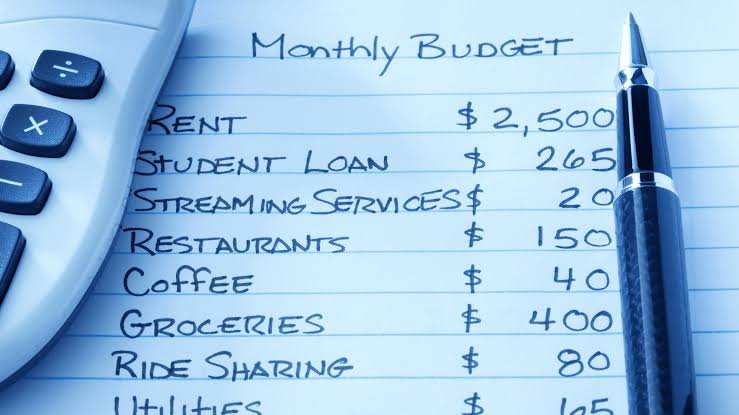
Suggested alt text: “Monthly budget planner with categories for needs, wants, savings, and buffer expenses”
FAQ
Why do most monthly budgets fail within the first few weeks? Usually because the budget is based on aspirational spending goals rather than actual tracked spending data, making the limits unrealistic from the start.
Should I track my spending before creating a budget? Yes, tracking for at least one full month first gives you accurate data to set realistic category limits, rather than guessing.
How often should I review and adjust my monthly budget? Monthly is generally recommended, allowing you to adjust categories based on what actually happened versus what you planned.
What’s the biggest mistake people make when creating a first budget? Setting overly restrictive limits out of guilt rather than gradually and sustainably reducing spending based on real patterns.
Do irregular expenses like annual insurance premiums need to be in a monthly budget? Yes, divide the annual amount by 12 and set aside that portion monthly, so the expense doesn’t blindside you when it actually comes due.
Conclusion
Learning how to create a monthly budget that actually survives past the first few weeks comes down to honesty — tracking real spending first, setting realistic limits, and reviewing regularly rather than expecting perfection from day one. Give yourself permission to adjust as you go. A flexible budget you actually follow beats a rigid one you abandon within a month, every single time.