Every January, I watch colleagues scramble to invest before the financial year ends, often dumping money into whatever tax-saving option their agent pushes hardest. Planning your tax saving investments 80C early in the year, rather than in a last-minute panic, genuinely leads to better decisions.
What Section 80C Actually Covers
Section 80C of the Income Tax Act allows deductions up to ₹1.5 lakh annually across a range of eligible investments and expenses. The key word is “up to” — meaning you don’t need to invest exactly ₹1.5 lakh in new products if some of your existing expenses already qualify.
Section 80C allows tax deductions up to ₹1.5 lakh per year across investments like ELSS mutual funds, PPF, life insurance premiums, and NSC, along with expenses like children’s tuition fees and home loan principal repayment — helping reduce taxable income while building long-term savings.
Popular Options Compared
1. ELSS (Equity Linked Savings Scheme)
Shortest lock-in among 80C options — just 3 years. Since it’s equity-based, potential returns are higher than most alternatives, though it carries market risk.
- Lock-in: 3 years (shortest in the 80C category)
- Returns: Market-linked, historically 10-14% average over long periods
- Best for: Investors comfortable with some market volatility
2. PPF (Public Provident Fund)
A government-backed, guaranteed-return option with a long 15-year lock-in. Extremely safe, but returns are modest compared to equity options.
- Lock-in: 15 years (partial withdrawal allowed after year 7)
- Returns: Currently around 7-7.5%, government-set
- Best for: Conservative investors, long-term goal alignment
3. Life Insurance Premiums
Premiums paid for term or endowment life insurance qualify, though as covered in comparing term vs whole life insurance, term plans are usually the smarter primary insurance choice.
4. NSC (National Savings Certificate)
Fixed 5-year tenure with guaranteed returns, similar risk profile to PPF but shorter lock-in.
5. Home Loan Principal Repayment
If you’re paying a home loan EMI, the principal component (not interest, which falls under a separate section) counts toward your 80C limit automatically.
A Practical Allocation Example
Picture someone with a ₹1.5 lakh 80C target, no existing home loan. A reasonable split might be ₹80,000 in ELSS for growth potential, ₹50,000 in PPF for guaranteed stability, and ₹20,000 through an existing term insurance premium already being paid regardless.
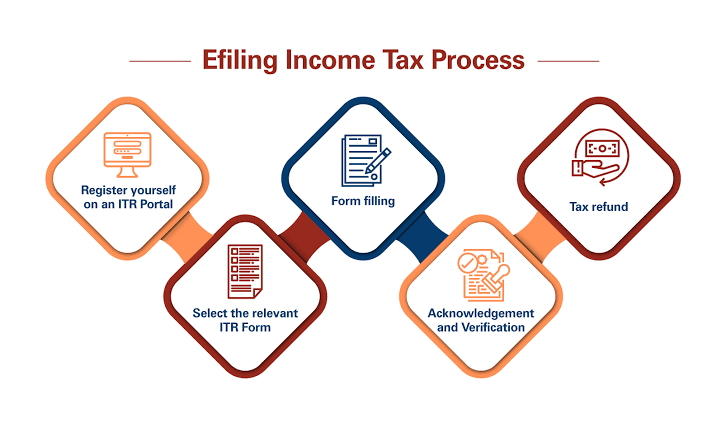
[link to related guide about how to file income tax return online here]
Comparing the Options at a Glance
| Investment | Lock-in | Risk | Typical Returns |
| ELSS | 3 years | Market-linked | 10-14% (historical avg) |
| PPF | 15 years | Very low | ~7-7.5% |
| NSC | 5 years | Very low | ~7-7.5% |
| Life Insurance | Policy term | Low | Varies by plan type |
Mistakes People Make With 80C Planning
The most common one: buying a new insurance policy purely for tax-saving purposes without evaluating whether the coverage actually makes sense. A poorly chosen endowment policy locks you into decades of mediocre returns just to save tax in a single year — rarely worth it.
Should You Wait Until March to Invest?
Please don’t. Investing your full 80C amount in March means missing out on months of potential compounding, especially for ELSS. Spreading your 80C investment across the year through SIPs is generally the smarter approach.
Suggested alt text: “Chart comparing tax-saving investment options under Section 80C including ELSS, PPF, and NSC”
FAQ
What is the maximum deduction available under Section 80C? ₹1.5 lakh per financial year, combining all eligible investments and expenses under this section.
Which is better for tax saving — ELSS or PPF? ELSS offers a shorter lock-in and higher potential returns with market risk, while PPF offers guaranteed but lower returns with a much longer lock-in — the right choice depends on your risk tolerance.
Does home loan principal repayment count under Section 80C? Yes, the principal portion of your home loan EMI qualifies, separate from the interest deduction available under Section 24.
Can I claim 80C deductions along with the new tax regime? No, most 80C deductions are only available under the old tax regime — it’s worth comparing both regimes based on your total deductions before choosing.
Is it better to invest in 80C throughout the year or at year-end? Spreading investments throughout the year, especially via SIP for ELSS, is generally better for both compounding benefits and avoiding rushed, poorly-researched decisions.
Conclusion
Choosing the right tax saving investments 80C options isn’t just about hitting the ₹1.5 lakh limit — it’s about picking instruments that also align with your actual financial goals and risk appetite. Start planning at the beginning of the financial year, not the end, and you’ll likely make far better choices than the last-minute scramble most people go through every March.